| A — The generator and core equipment |
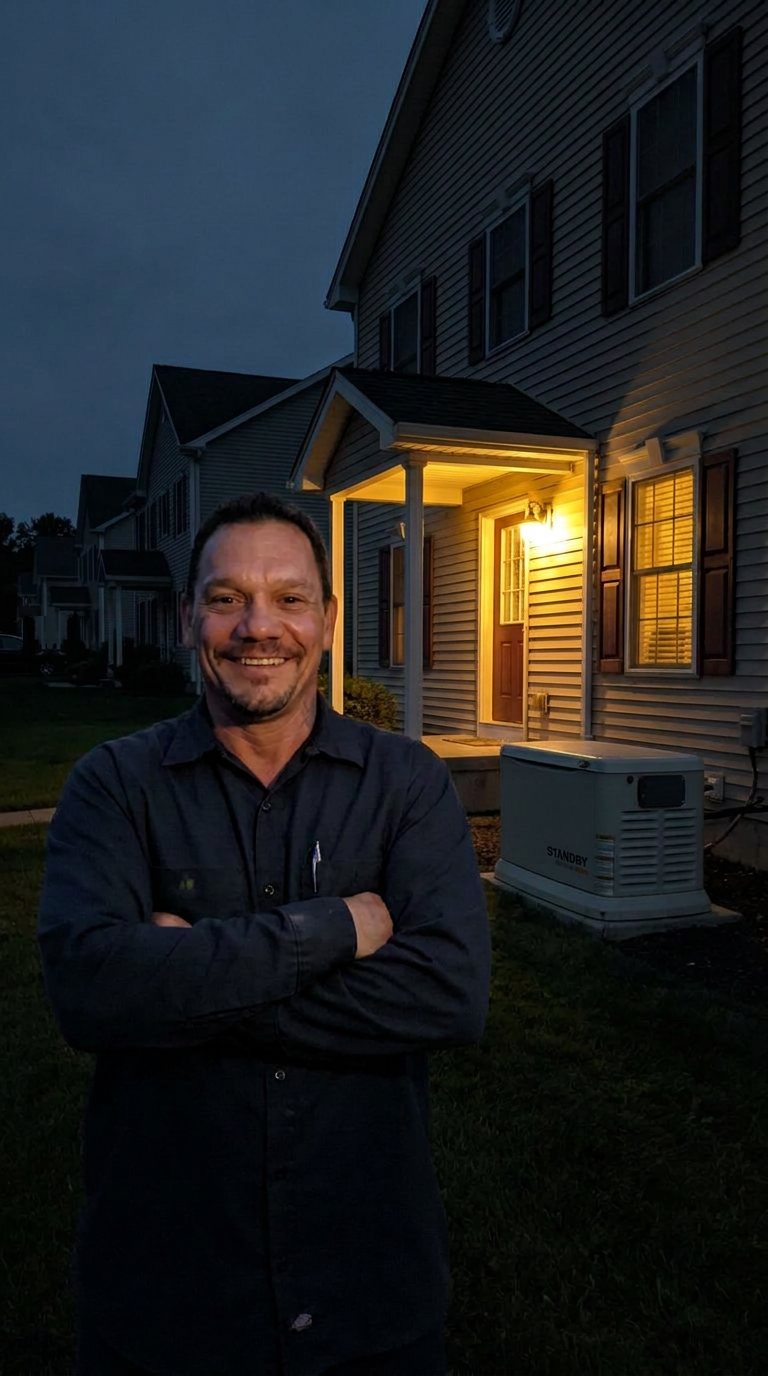
| Standby generator package | 22 kW air-cooled generator with a 200-amp automatic transfer switch bundled in the box (Generac Guardian–type package; the Kohler 20 kW package is the comparable alternative). The bundle is the best value — the switch alone costs hundreds more bought separately. | $6,000–$7,500 | Home Depot, Lowe's, Electric Generators Direct, Norwall Power Systems, local dealers |
| Automatic transfer switch (if not bundled) | 200-amp service-rated switch. Senses an outage, starts the generator, and moves the house onto generator power — and keeps generator power from ever back-feeding the grid. | $500–$1,200 | Home Depot, Lowe's, Amazon, Electric Generators Direct |
| Starting battery | Group 26R automotive battery. Most standby generators ship without one, and the unit will not start without it. | $100–$200 | AutoZone, O'Reilly Auto Parts, Walmart, Home Depot |
| Load-management modules | Optional. Smart modules that briefly pause big loads (AC, dryer, range) so a smaller generator can carry a whole home without stalling. | $250–$400 each | Amazon, Home Depot, generator dealers |
| Cold-weather kit | Optional in cold climates. Battery warmer and oil warmer so the unit starts reliably below freezing. | $150–$300 | Amazon, Electric Generators Direct, dealers |
| B — Site prep and the pad |
| Precast generator pad | Composite or concrete pad sized for the unit (about 3 ft × 5 ft). The generator must sit level, off the ground, and clear of settling and splash-back. One precast pad replaces the whole pour-it-yourself list below. | $150–$400 | Electric Generators Direct, Amazon, Home Depot |
| — or pour your own: concrete | Roughly 8–12 bags of 80 lb concrete mix for a 4-inch pad, if you pour instead of buying precast. | $60–$90 | Home Depot, Lowe's |
| Gravel base | Crushed stone under the pad for drainage and a stable, level bed — about half a cubic yard. | $30–$60 | Home Depot, Lowe's, landscape supply yards |
| Rebar or wire mesh, form lumber, anchor bolts | Reinforcement for a poured pad, 2×4s to frame it, and anchors to bolt the unit down. | $40–$80 | Home Depot, Lowe's |
| Landscape fabric and edging | Keeps the area around the unit clear of weeds and mud; most codes want a clear, maintained space around the generator. | $25–$75 | Home Depot, Lowe's, Walmart |
| C — Electrical materials |
| Feeder wire and conduit run | The heavy cable (aluminum SER or copper conductors in conduit) that carries generator power to the transfer switch and panel. The single biggest variable on this list — cost is set by the distance between the generator and your panel. | $300–$900 | Home Depot, Lowe's, electrical supply houses |
| Conduit, fittings, and disconnect | PVC or metal conduit, elbows, LB fittings, straps, weatherproof entries, and the outdoor disconnect where required. | $50–$150 | Home Depot, Lowe's, Grainger |
| Breakers | The generator breaker in the transfer switch/panel and any replacement breakers the layout requires. | $40–$120 | Home Depot, Lowe's, Amazon |
| Control wire | Shielded multi-conductor cable that carries the start/stop and status signals between the generator and the transfer switch. | $30–$80 | Amazon, Home Depot, electrical supply houses |
| Whole-house surge protector | Type 2 surge protective device at the panel. Recommended with any standby install, and required by newer electrical codes in many areas. | $100–$300 | Home Depot, Lowe's, Amazon |
| Grounding materials | Ground rod, clamp, and copper grounding conductor sized to the install. | $40–$100 | Home Depot, Lowe's |
| Electrical consumables | Sealant for wall penetrations, anti-oxidant compound, lugs, tape, wire nuts, labels and placards. | $30–$75 | Home Depot, Lowe's |
| D — Fuel materials |
| Natural gas line materials | Black iron pipe and fittings — or CSST flexible gas line — sized for the generator's fuel demand and the length of the run from the meter. | $150–$600 | Home Depot, Lowe's, SupplyHouse.com, Grainger |
| Shutoff valve, sediment trap, flex connector | The service shutoff, the drip leg that catches debris before the engine, and the flexible stainless connector at the unit (a flex connector is included in some packages — check the box first). | $60–$150 | Home Depot, Lowe's, SupplyHouse.com |
| Thread sealant and leak-test supplies | Gas-rated pipe dope or PTFE tape, plus leak-detector solution or a pressure gauge to prove the line before startup. | $35–$85 | Home Depot, Lowe's, Amazon |
| Propane path (instead of natural gas) | Tank purchase, 120–250 gallon, if there is no natural gas at the property. Leasing from a propane supplier can cut the upfront cost. | $700–$2,500 | Local propane suppliers |
| Propane regulator and line | Two-stage regulator, pigtail, and the buried poly or copper line from tank to generator. | $175–$600 | Local propane suppliers, SupplyHouse.com |
| E — Tools, first service, and paperwork |
| Tool rentals | Hammer drill, concrete mixer, and trencher or auger as your site requires — rented by the day. | $100–$300 | Home Depot and Lowe's tool rental counters |
| First-service kit | Engine oil for the first fill plus the oil, oil filter, air filter, and spark plugs for the break-in service — the unit is not warranted on good intentions. | $50–$100 | Amazon, Home Depot, dealers |
| Permits and inspections | Electrical and gas/mechanical permits and the final inspection. Non-negotiable almost everywhere — it protects your insurance coverage and your resale. | $100–$500 | Your city or county permit office |
| Load calculation | The sizing math that proves the generator matches your house. Free from many dealers with a quote, or a modest fee from an electrician — do this before buying anything. | $0–$250 | Generator dealers, licensed electricians |
| Startup and commissioning | Documented first startup by an authorized dealer. Activates the full factory warranty on most models — the cheapest line on this page and the most expensive one to skip. | $150–$400 | Authorized Generac or Kohler dealers |